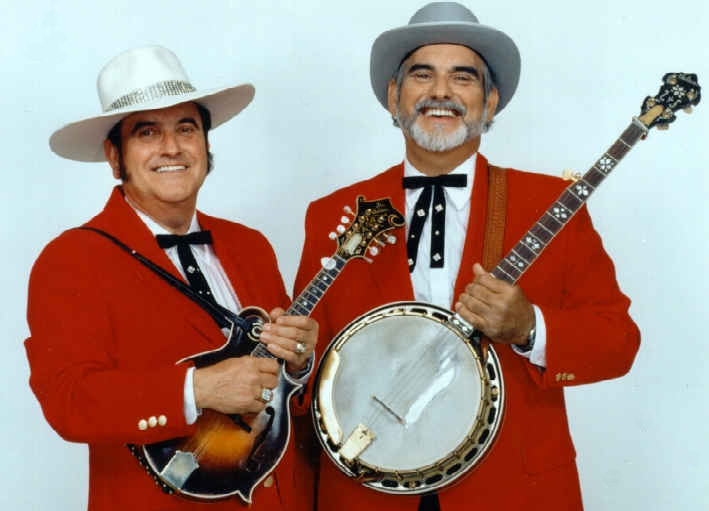
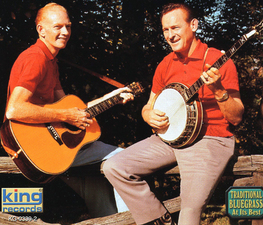
Bobby & Sonny - the Osborne Brothers
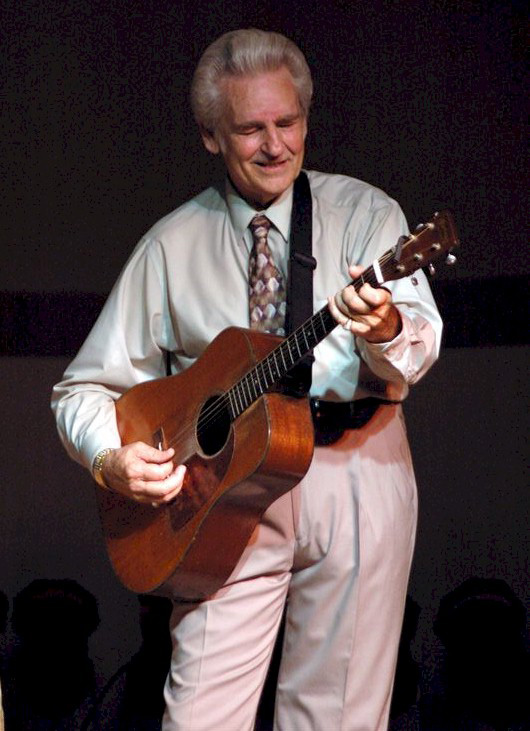
Del McCoury

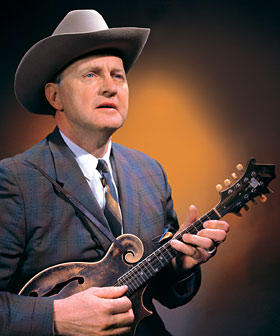
Bill Monroe
| My Bluegrass Odyssey | ||||||||||||||||||||||||||||||||||||||||||||||||||||||||||||||
| Bluegrass Odyssey Series for Fans Photos Travel Reports | ||||||||||||||||||||||||||||||||||||||||||||||||||||||||||||||
|
My bluegrass odyssey goes back many years. Back in the good old days, bluegrass was just another aspect of country music – you’d hear it on The Grand Ole Opry and similar programs, and on country music stations. TV shows such as the Porter Wagoner Show and others would include bluegrass musicians along with the more mainstream country stars of the day. I always enjoyed bluegrass, and considered it just a part of country music. One thing that really piqued my interest was a TV broadcast that I happened to see some time in the 60s. It featured Lester Flatt & Earl Scruggs playing “Salty Dog Blues,” (AKA "Old Salty Dog Blues") and I was amazed and impressed at the performance. When each player took his solo, he stepped up to the mike and played his part with precision, looking as if it was the easiest thing in the world. This song has been my favorite bluegrass song ever since. In the late 1990s, I discovered that there was a bluegrass festival in my home town of Mariposa CA. I decided to check it out, and took in the afternoon and evening shows, joined by my younger daughter and her husband, Jennifer & Rod. The next year (May 1998) I again went on Saturday, joined this time by my older daughter and her family, Teri, Tim & grandson Mikie. In 1999 I took Friday off from work, and attended my first full weekend festival. I didn’t take the trailer, but instead spent the night at my parents' house after the music ended Friday and Saturday nights. Tim & Teri decided that the next year, they would go with me for the weekend, and for the first time I took my trailer. Both grandsons, Mikie and Johnny, came along, as well as Johnny's friend and hockey teammate Moses, and Tim’s parents, Marge & Rocky. This time I took off work so we could go on Thursday. Everyone
enjoyed the festival in their own way...the adults for the music and
just getting away from the day to day routine...Mikie just because
he enjoys life nearly all the time... We immediately agreed that we would return next year (2001), but it was not to be. The Mariposa Arts Council decided not to hold the festivals any longer, so I started looking into a festival I had heard of that would be held in Parkfield, in the coast hills west of Fresno. Teri, Mikie and I went to it, and I have missed only one since then, the 2007 event. The following year (2002) was the first festival after I retired, so for the first time I did not need to go home on Sunday night. We went on Wednesday as I recall, and came home Monday morning, and enjoyed everything about it. With the extra time available due to not having to go to work, I began to seek out and attend other festivals, and the rest is recorded in my endless series of travel reports. By my informal count, I have attended 58 festivals, 8 of them for one day only, and the rest for the full three or four days. I’m looking forward to many more. 2018, 2019 and 2020 updates: In recent years my attendance has gradually diminished. When I attended Parkfield in 2018, it was the first festival I had been to since the previous year's Parkfield event. When I went to the 2019 event, it was the first time I had even used the motor home since Parkfield 2018. Driving the motor home had become a chore, and in June I sold it. I still go camping with my pickup, but Parkfield is not suitable for that type of camping. I will probably make Parkfield a one-day event if I go at all. (The 2020 and 2021 events were canceled due to the coronavirus, and I have not gone since 2019.) The
official count
The
best show is
Reno’s The
other pure bluegrass offering is
Cumberland
Highlanders. Originating
from Stan Hitchcock’s Heart to Heart Classics focuses more on mainstream country, but it tends to be the more traditional artists rather than the current crop who are mostly rockers with big hats. The shows airing as of April 2011 are from 2005 or later. The format is very informal, with interviews interspersed with purely acoustic performances by the artist, accompanied by Stan on guitar. From
the late classic era comes The Porter Wagoner Show. Bluegrass
artists are rare, but these shows go back to the 1960s, and you get
a chance to see artists who are long gone. In recent weeks I saw a
very young Waylon Jennings, an equally young Bobby Bare, and
departed giants such as Hank Show and Marty Robbins. Many of the
shows also feature Dolly Parton, by herself and harmonizing with
Porter. 9/30/09 update: The RFD Network is currently offering a brand new musical show with an old-style flavor - the Marty Stuart Show. Unless you have had no contact whatsoever with country music over the last 20 years, you know that Marty has been a big star for a long time. Before that, "Little Marty Stuart" played bluegrass with Lester Flatt's band at age 13, and later toured with Johnny Cash. His show reminds me in some ways of Wagoner's, complete with the fancy western suits and a talented band, the Fabulous Superlatives, whose members sometimes step forward to do a lead vocal. Most shows feature a bluegrass or traditional country artist, and Marty's wife, country star Connie Smith, makes an appearance in each show. It's a nice mixture of electrified and acoustic country music. Although the show starts out electrified, by the mid-point acoustic instruments have nearly taken over in most episodes. 10/5/11 update: I recently discovered another bluegrass show. It's not my style, but many fans might enjoy America's Bluegrass Gospel Show, on Pursuit Channel. This is primarily an infomercial and hunting/fishing channel (608 on DirecTV). 5/24/16 update: Cumberland Highlanders is apparently still running; the others are either off the air or appear sporadically. 9/26/21 update: I don't think Cumberland Highlanders is still on, but Marty Stewart is going strong in re-runs. Most of the recent shows date from ten years ago, allowing us to see Merle Haggard and other icons who are no longer with us. 8/2/22 update: As far as I can tell, the only one of these shows still on the air is Marty Stuart, and those shows are all re-runs from ten years ago or earlier. However, a new series this year, My Bluegrass Story, offers a brief look at some of the top names in bluegrass. Each artist narrates his or her own biography, interspersed with solo and band performances. Each show features at least one number performed at the ROMP Festival, as well as a solo outing filmed in the Bluegrass Hall of Fame. The festival and the hall are both located in Owensboro KY. Artists I've seen so far include Rhonda Vincent, Russell Moore and Del McCourey. 4/6/26 Update: For the last two or three years, the RFD Channel has given us the Dailey and Vincent Show, featuring Jamie Dailey, an alumnus of Doyle Lawson's band, and Darrin Vincent, Rhonda's brother. Both are excellent singers and they have a top level band. It's not 100% bluegrass - a drum kit is usually in use, and some of the muscal guests are more country than bluegrass, but it's a highly entertaining show and like other shows mentioned here, well worth checking out if you have any interest in bluegrass, country, or acoustic music in general. --Dick Estel, June 2006 (Updated May 2010, April 2011, May 2016, September 26, 2021, August 2022 and April 2026) |
||||||||||||||||||||||||||||||||||||||||||||||||||||||||||||||
 |
 |
 |
||||||||||||||||||||||||||||||||||||||||||||||||||||||||||||
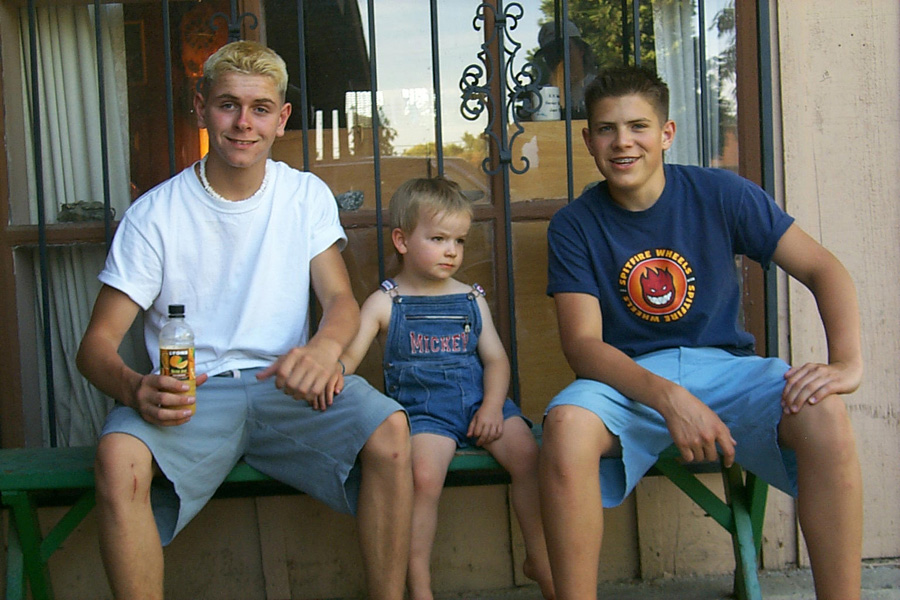
| Everyone enjoys the festival in his own way |
Johnnie, Mikie & Moses | Tim & Teri, Rocky & Margie, Mikie | ||||||||||||||||||||||||||||||||||||||||||||||||||||||||||||
 |
 |
 |
||||||||||||||||||||||||||||||||||||||||||||||||||||||||||||
| Bill Monroe | Ralph & Carter Stanley | Lester Flatt & Earl Scruggs | ||||||||||||||||||||||||||||||||||||||||||||||||||||||||||||
 |
 |
 |
||||||||||||||||||||||||||||||||||||||||||||||||||||||||||||
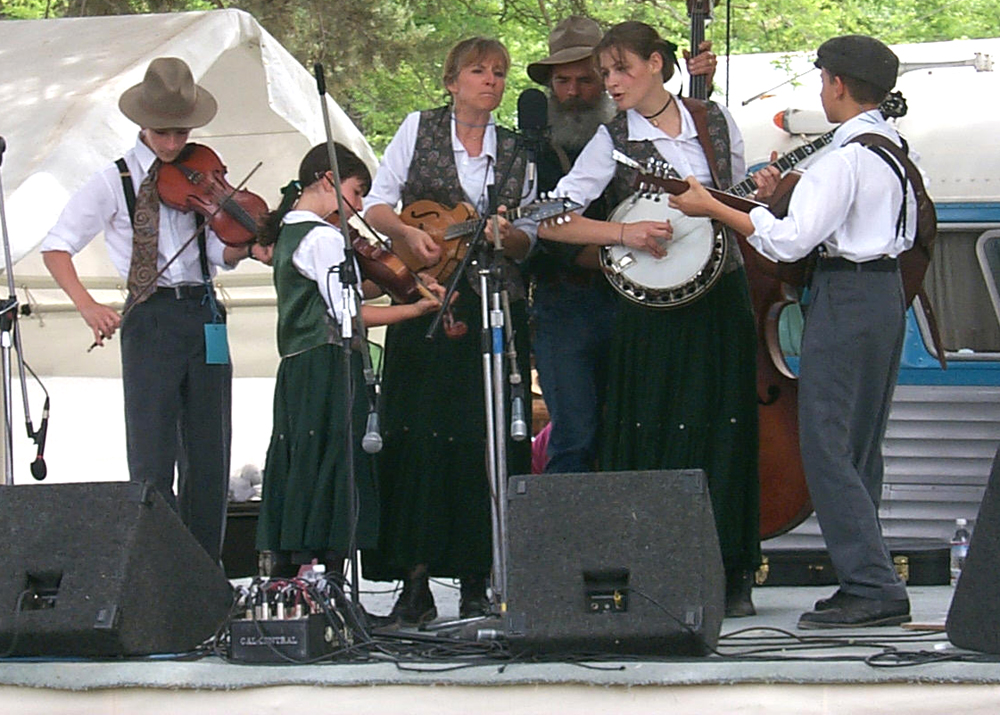
| Cherryholmes Family, Camp Rude, Parkfield, 2001 |
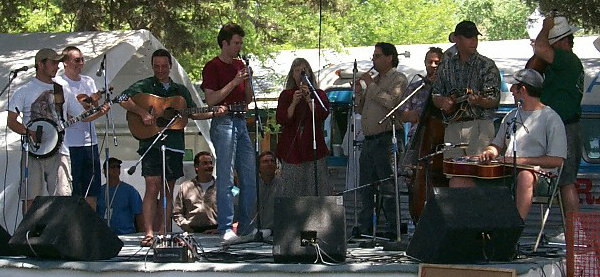
Don Reno & Red Smiley | Ivan Rosenberg (Uncle Slosh),
seated; promoter Pat Conway in cowboy hat, et al |
||||||||||||||||||||||||||||||||||||||||||||||||||||||||||||
 |
 |
 |
||||||||||||||||||||||||||||||||||||||||||||||||||||||||||||
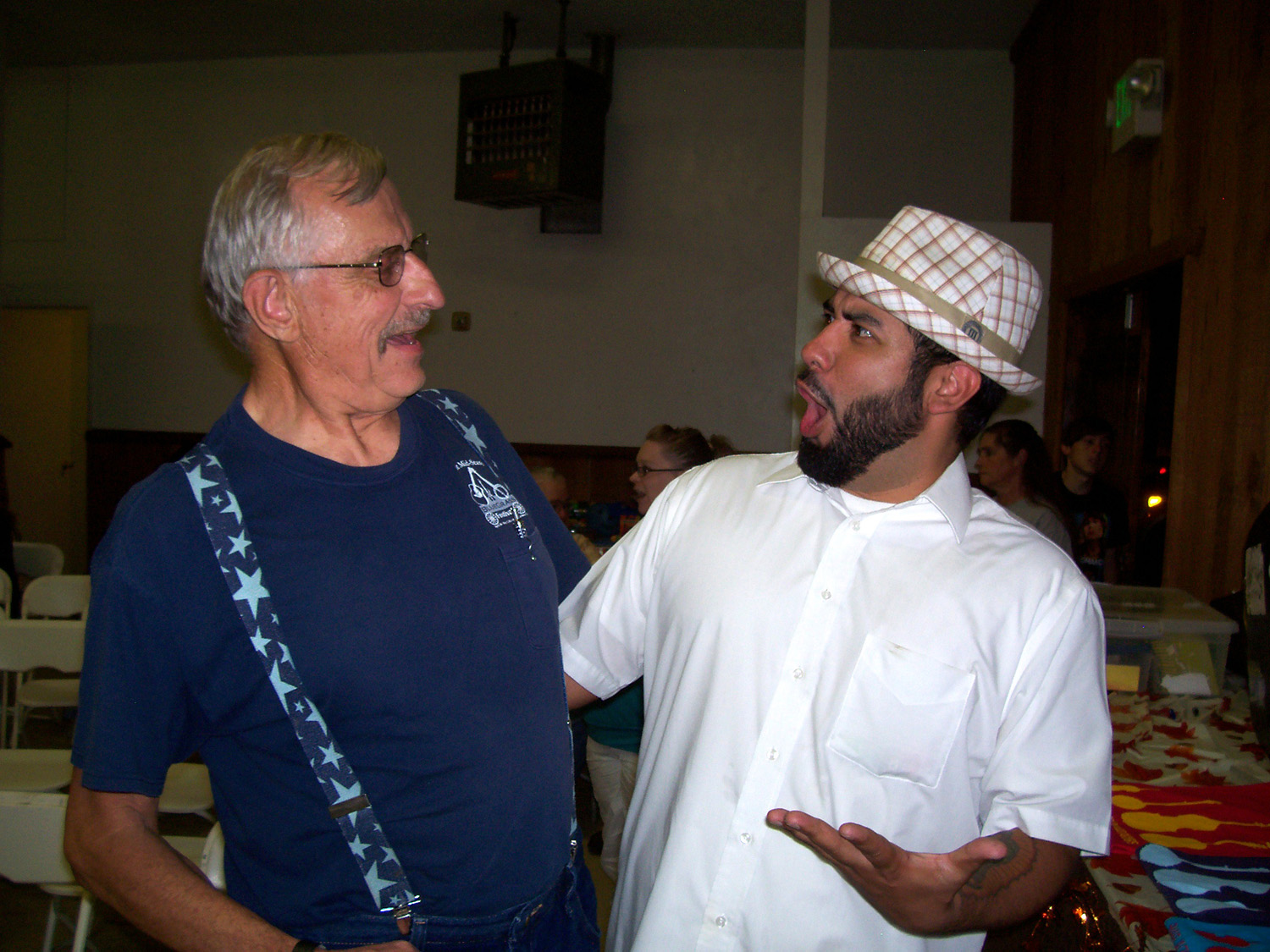
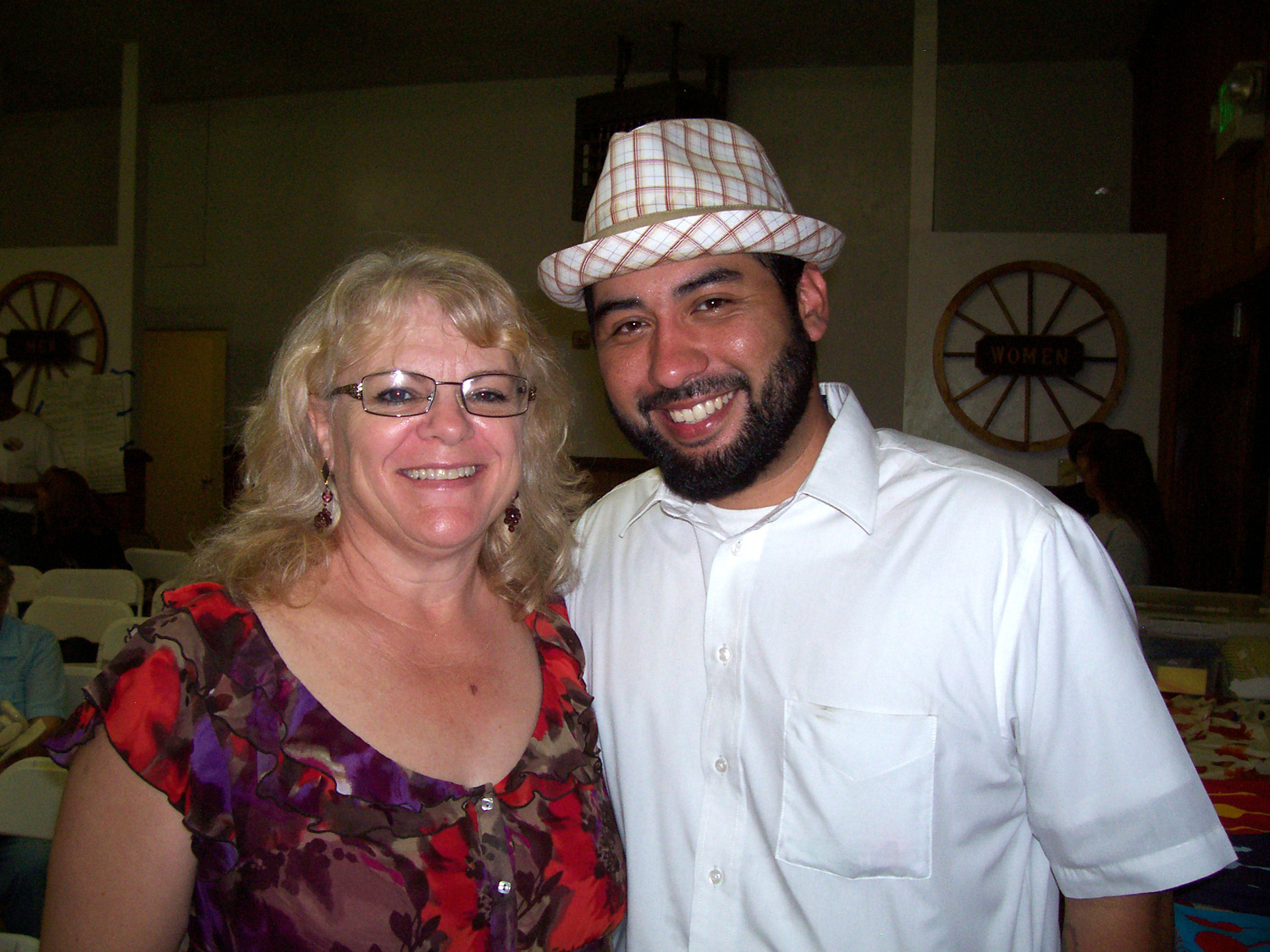
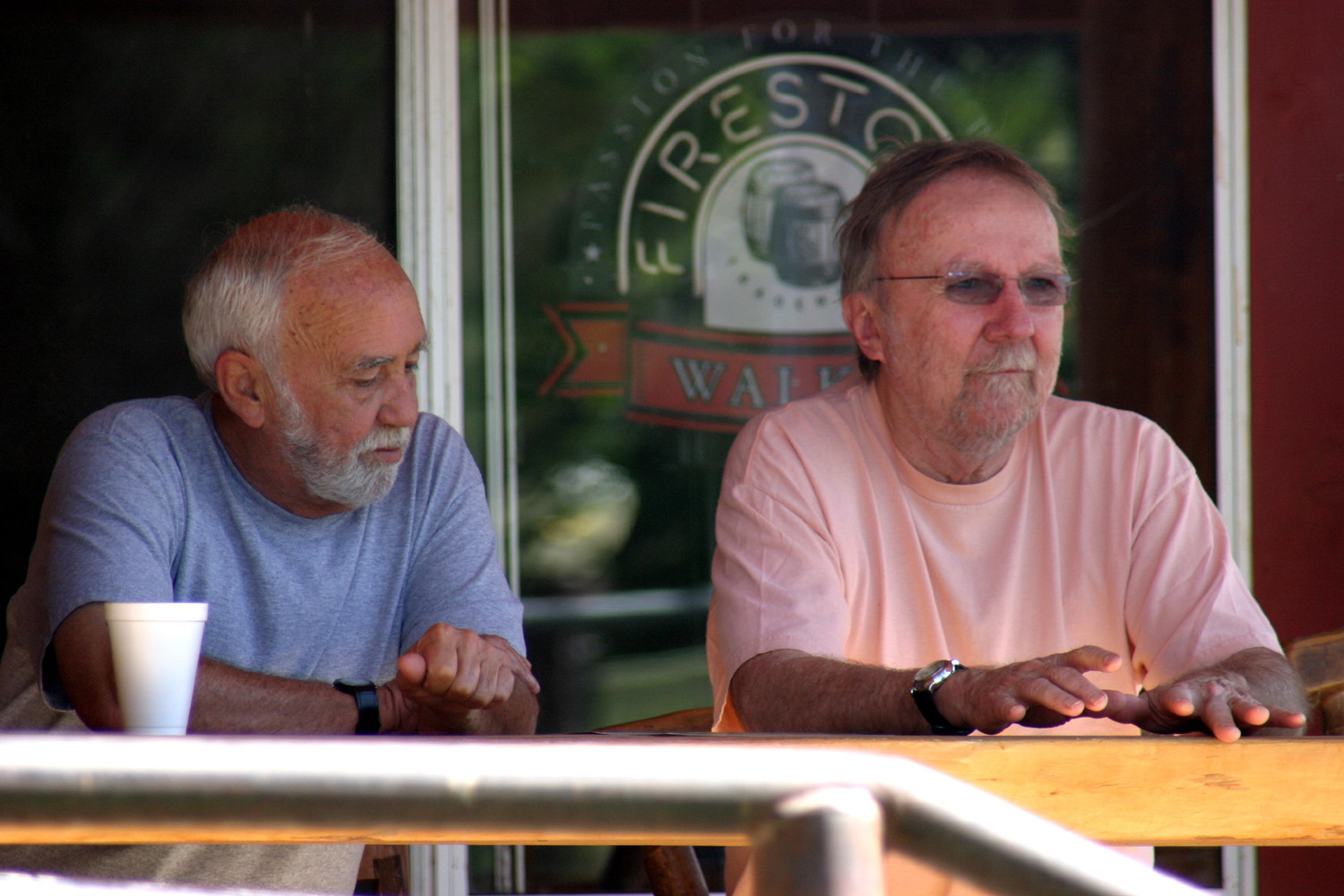
| Dick with Snap Jackson in Dunlap | Janell with Snap | Bill Bryson & Herb Pedersen, offstage at Parkfield |
||||||||||||||||||||||||||||||||||||||||||||||||||||||||||||
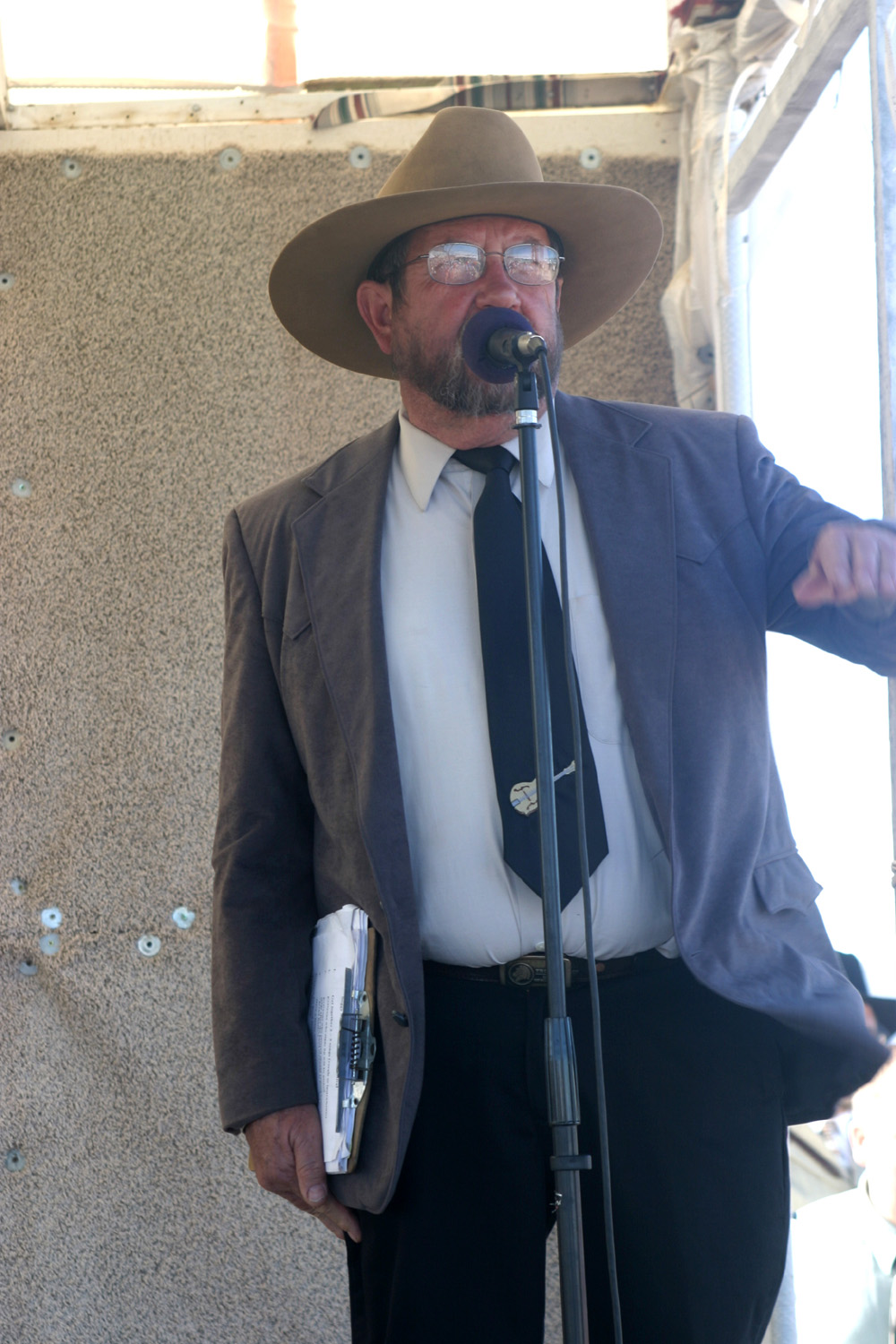
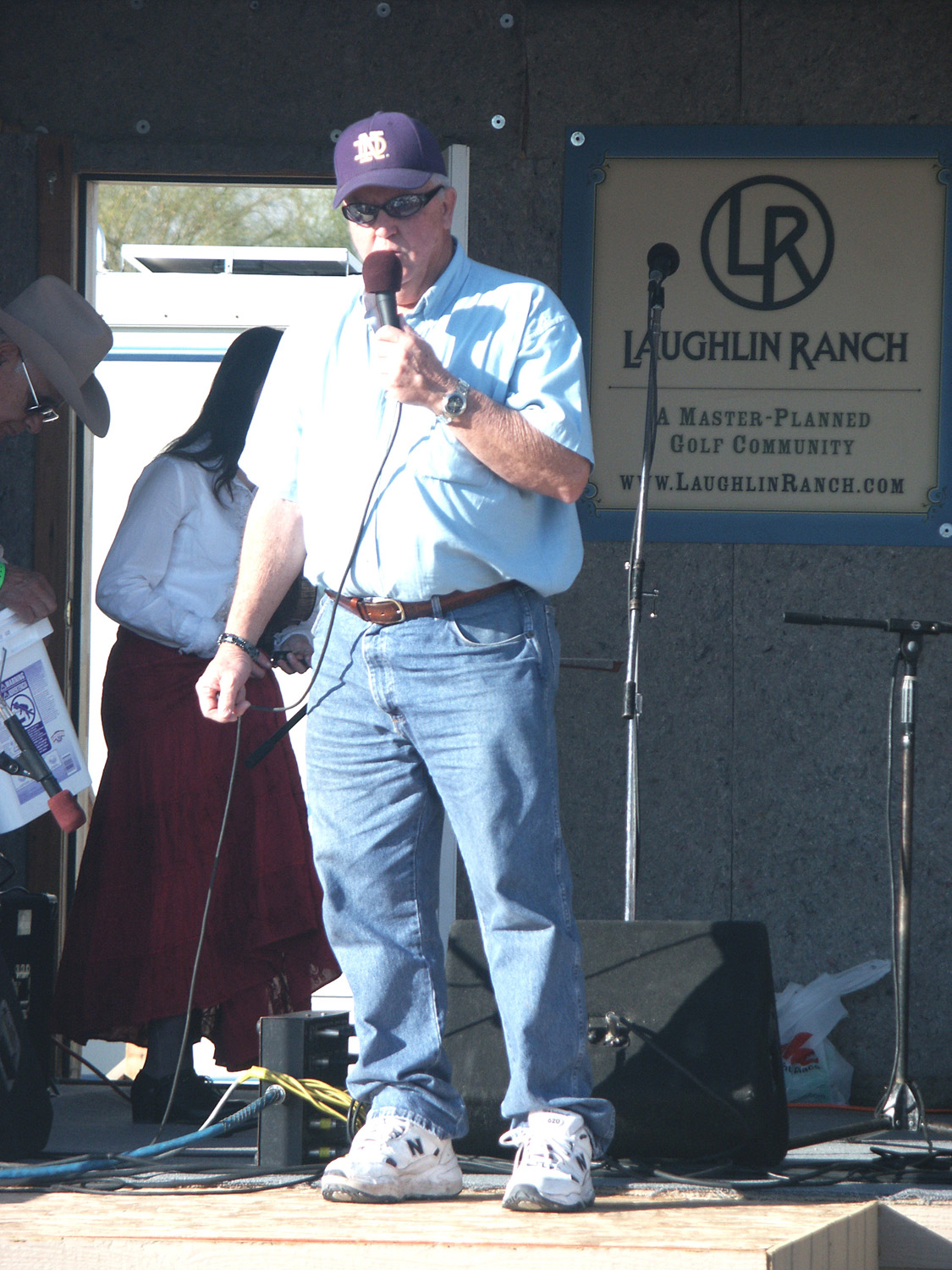
| The Promoters | ||||||||||||||||||||||||||||||||||||||||||||||||||||||||||||||
 |
 |
 |
||||||||||||||||||||||||||||||||||||||||||||||||||||||||||||
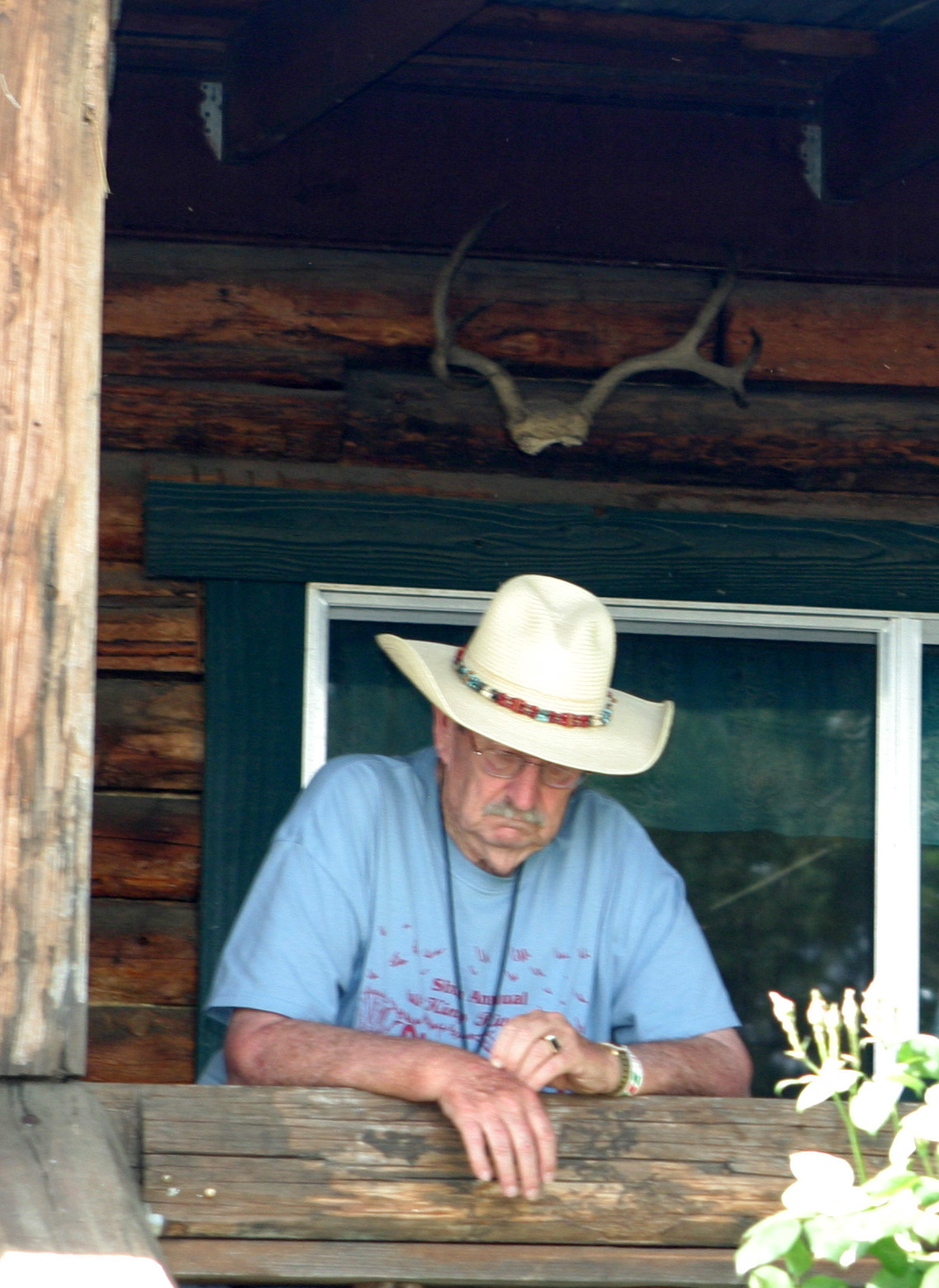
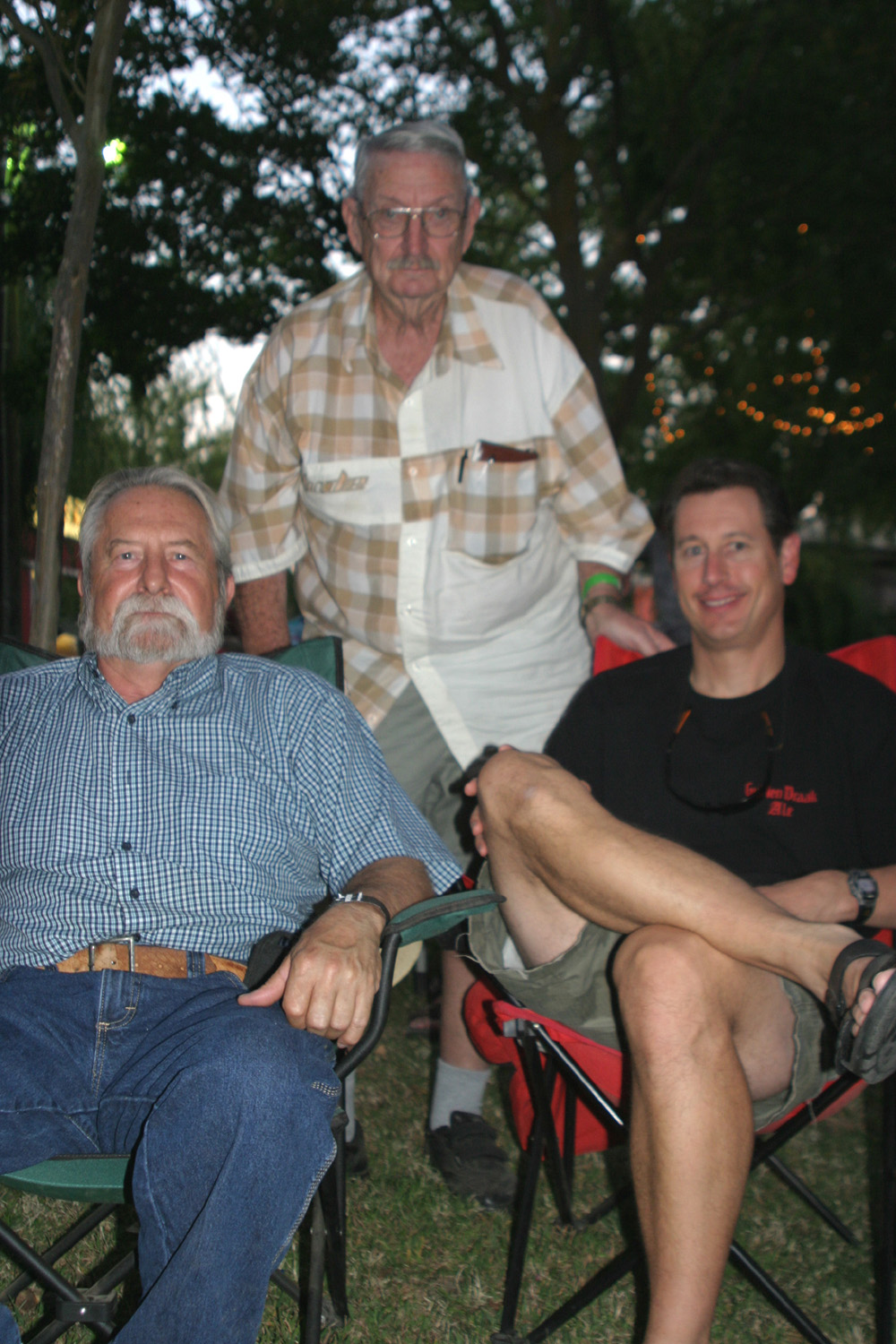
| Bill Bogan, Soggy Mountain Festival | Randy Gray, Colorado River Festival | Larry Baker, Lake Havasu & Plymouth Festivals |
||||||||||||||||||||||||||||||||||||||||||||||||||||||||||||
 |
 |
 |
||||||||||||||||||||||||||||||||||||||||||||||||||||||||||||
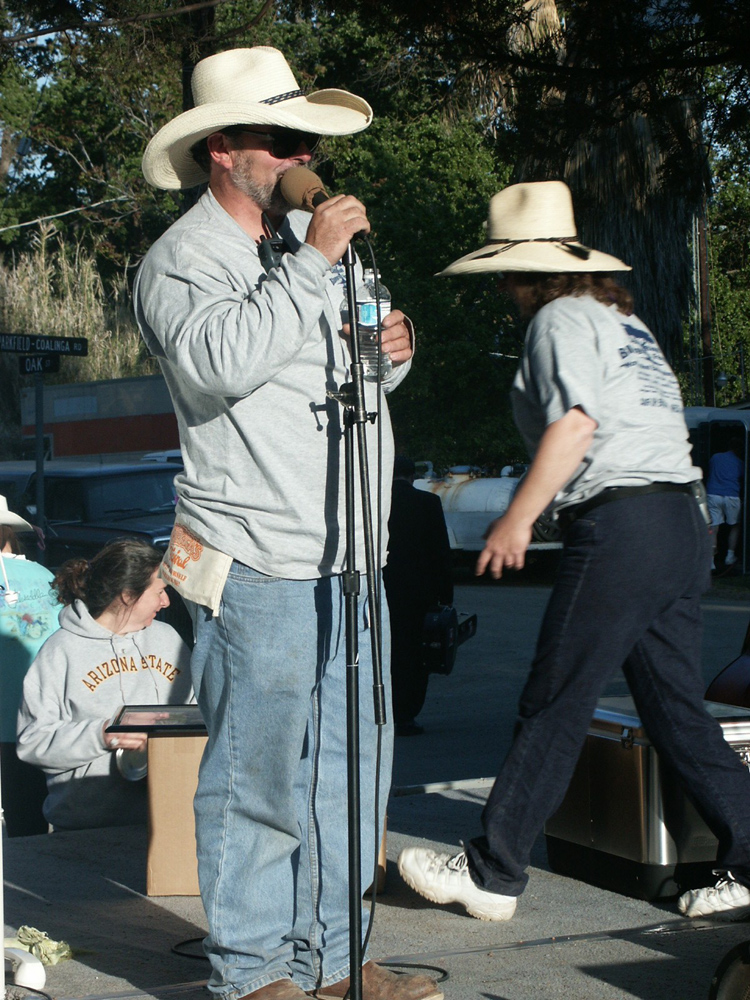
| Jerry Johnson, Kings River Festival | Jerry Johnson, Doug
Cornelius, Patrick Tenyenhuis, Kings River (Hobbs Grove, 2000) |
Pat & Rosie Conway, Camp Rude (Parkfield) | ||||||||||||||||||||||||||||||||||||||||||||||||||||||||||||
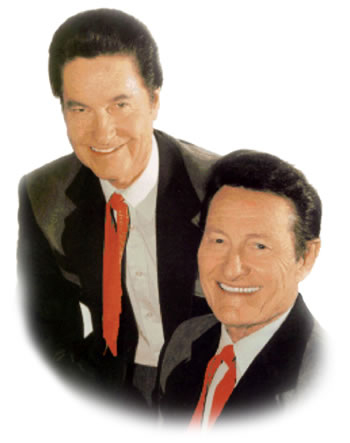
Jim & Jesse McReynolds
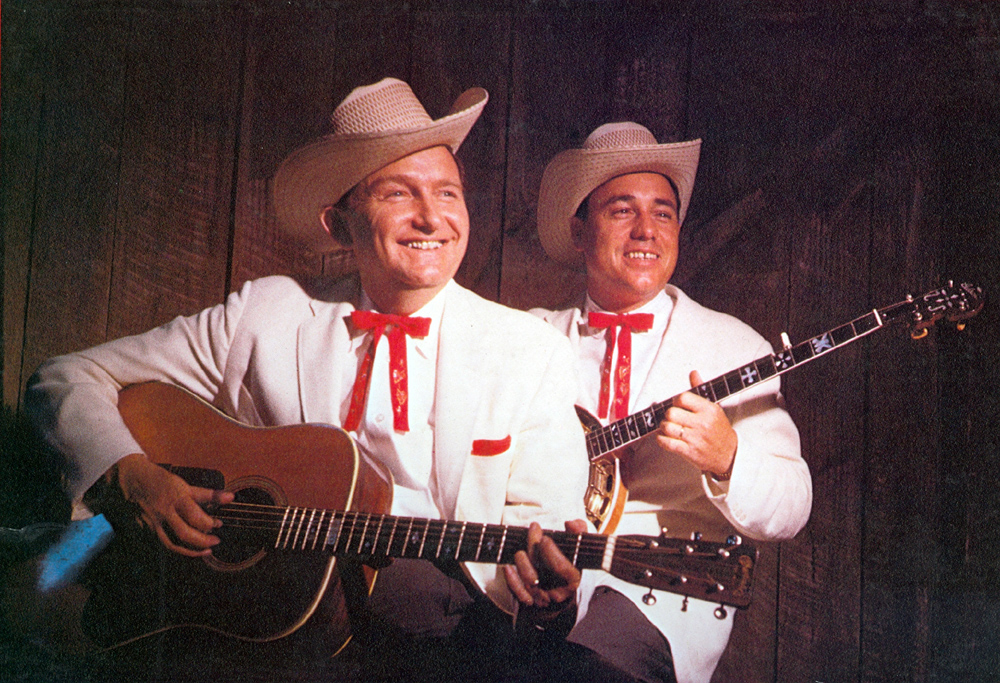
Flatt & Scruggs
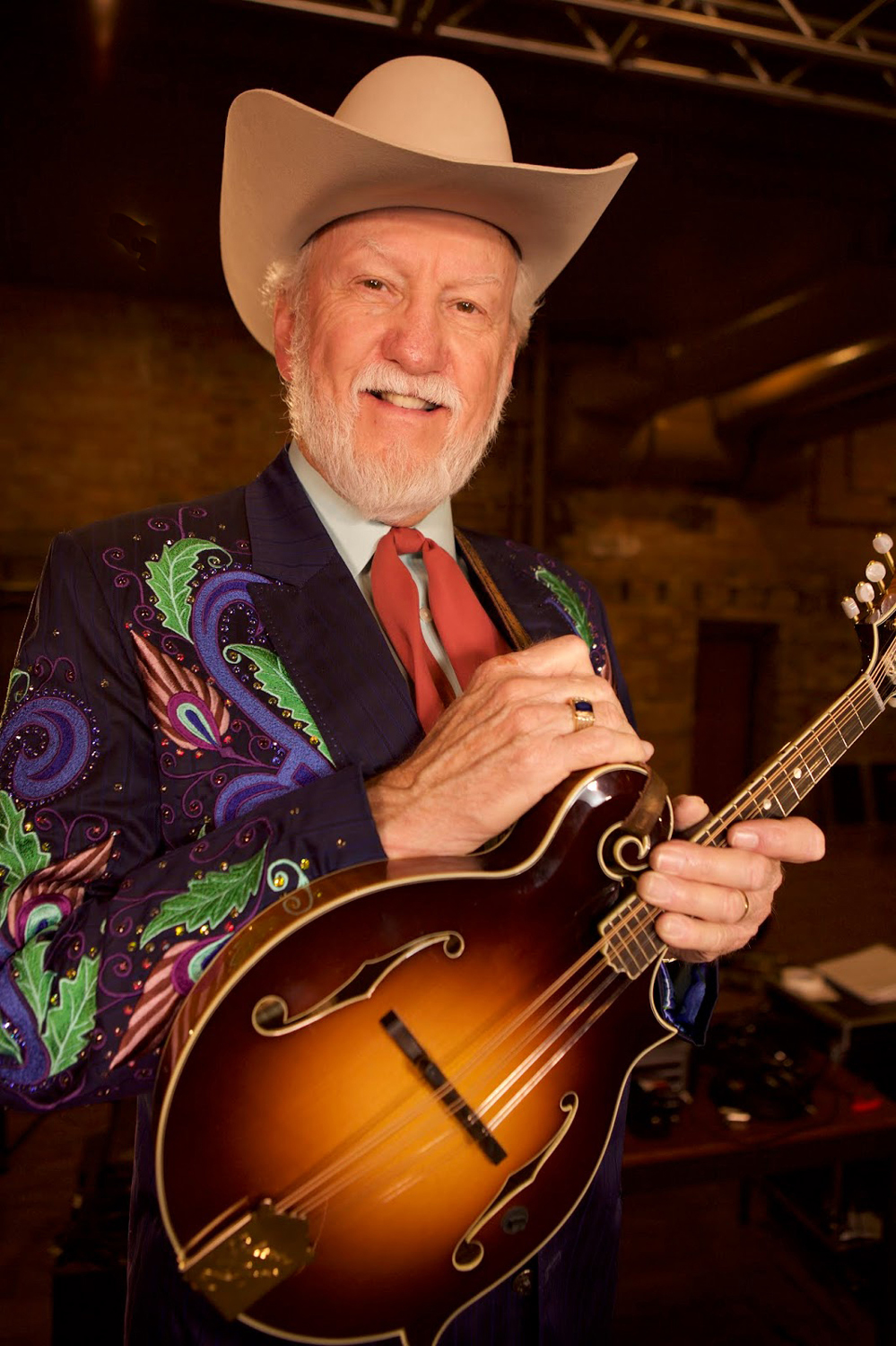
Doyle Lawson
